
While your experience may vary depending on the solution you choose, ServiceNow clients who automate Governance Risk and Compliance save an average of 80% on audit fees.
The following are some of the other advantages of automating GRC:
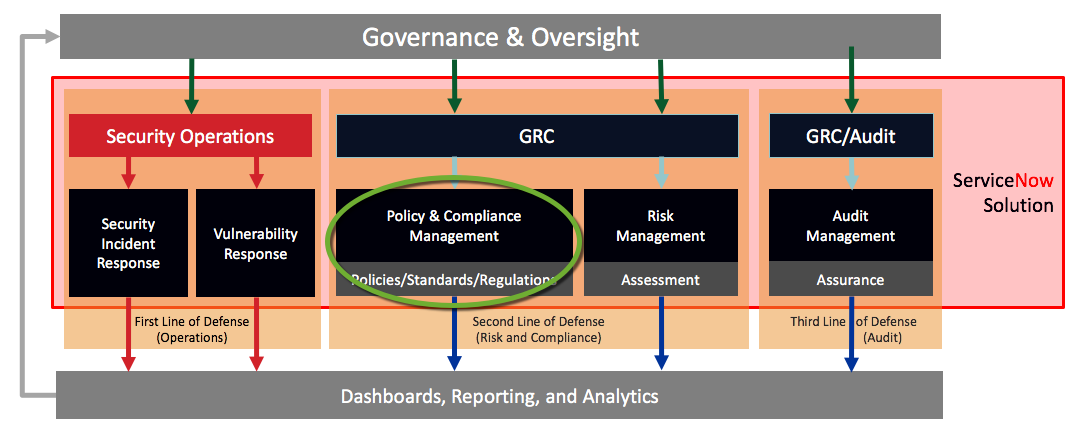
The quality of your GRC application is determined by the business rules you use. Make a list of them and include them in your implementation strategy. The following are some examples of rules you’ll need to define:
You’ll need to examine and justify your controls on a regular basis as your business and risk profile change. Ask the following questions about each of your controls as part of this process:
You’ve probably noticed that there are common, repetitive controls if you’re obliged to operate controls across several regulatory bodies or frameworks (e.g., SOX, HIPAA, GDPR, and PCI). Despite this, most organizations continue to approach each legislation or framework as if it were its own set of controls, conducting multiple audits, redundant tests, and redundant evidence collection operations. Each year, these different activity streams cost your organization thousands of hours of work and a lot of money in auditing costs. Establishing a single consolidated set of controls is a better and less expensive option. You can test a shared control and demonstrate that it fits the requirements across several regulatory and best practice frameworks by cross-mapping controls.
Controls are supposed to keep the things we care about safe. Controls are applied to everything, regardless of importance, when firms don’t identify what is important (or what’s in and out of scope). As a result, your organization will be burdened with a great deal of superfluous work, as well as deficiency noise that will divert attention away from genuine threats.
Identifying your risks, as well as the consequences and chance of those risks occurring, will help your company focus on the correct things. It can also assist you in determining the exact business consequences of a failed control. When resources are limited, risk identification can assist you in prioritizing your control testing and remediation operations.
Large-scale, sophisticated implementations that take months to complete rarely fulfill their objectives. This is true not only for Governance Risk and Compliance implementations, but also for technology implementations in general. They are frequently strained by resource exhaustion, competing business demands, and the difficulty of maintaining day-to-day operations while working on a complex project.
Create a Governance Risk and Compliance roadmap with your implementation partner that allows you to add GRC features in between audit cycles to reduce business impact. This method also offers the advantage of incremental technological adoption, which leads to higher adoption rates.
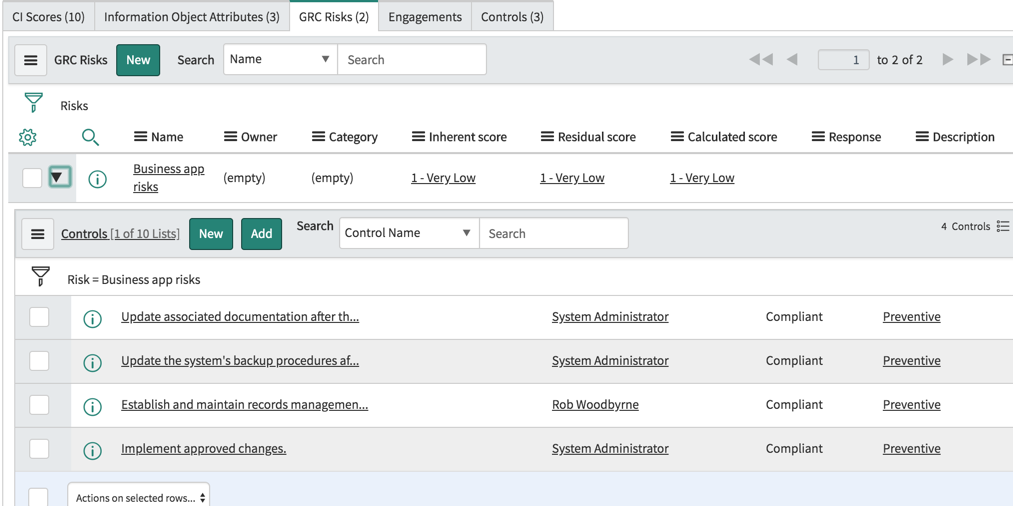
Continuous monitoring allows you to spot control flaws as soon as they occur and start correcting them right away. To put it another way, you can detect problems early on and prevent them from becoming more serious. This lowers your overall risk and the amount of effort required to stay compliant.
If you follow these simple steps, you’ll have a Governance Risk and Compliance system that scales with your organization, saves compliance costs and resource requirements, increases operational efficiency, controls risk, and gives real-time insight into your whole GRC program.


You went live on ServiceNow. Your team celebrated, your stakeholders…
Migrating from Microsoft Project Online to ServiceNow starts with one…

The shift in car buyer behavior has changed because information…