
Simplify, Accelerate, and Transform with ServiceNow Automation
Achieve enterprise-wide business transformation with ServiceNow & Aelum

Redefining Enterprise Efficiency with ServiceNow Automation Solutions
Intelligent automation, what was once seen as an ‘add-on’, is now an absolute necessity. It enables faster decisions, eliminates manual tasks, and ensures consistent, high-quality service across every department. Aelum helps you utilize the full potential of ServiceNow Automation solutions to streamline workflows, unify systems, and build smarter processes. From IT to customer service, we design intelligent automation solutions that adapt to your business and scale with your growth so your people can focus on what truly matters: innovation, speed, and customer satisfaction.
Automate dispatch to match jobs with right tech
Boost field tech performance with AI-guided insights
Eliminate silos with connected, automated field workflows
Our ServiceNow Automation Services
Optimize field operations, boost service efficiency, and elevate customer satisfaction with ServiceNow FSM
Consulting
We assess your current environment, identify automation opportunities, and design a phased plan aligned with your business goals.
Implementation
We configure and integrate ServiceNow modules tailored to your needs ITSM, ITOM, HRSD, CSM, CRM, and more ensuring seamless platform adoption.
Support and Maintenance
We build intelligent, data-driven workflows and AI models that streamline operations across sales, service, IT, and security.
 Consulting
 Consulting
 We assess your current environment, identify automation opportunities, and design a phased plan aligned with your business goals.
 Implementation
 Implementation
 We configure and integrate ServiceNow modules tailored to your needs ITSM, ITOM, HRSD, CSM, CRM, and more ensuring seamless platform adoption.
 Support
 Support
 We build intelligent, data-driven workflows and AI models that streamline operations across sales, service, IT, and security.
What to expect from ServiceNow Automation
- Workflow Automation
- AI Automation
- IT Operations Automation
- Business Process Automation (BPA)
- Service Desk Automation
- Test Automation
- Security Automation
- IT Infrastructure Automation
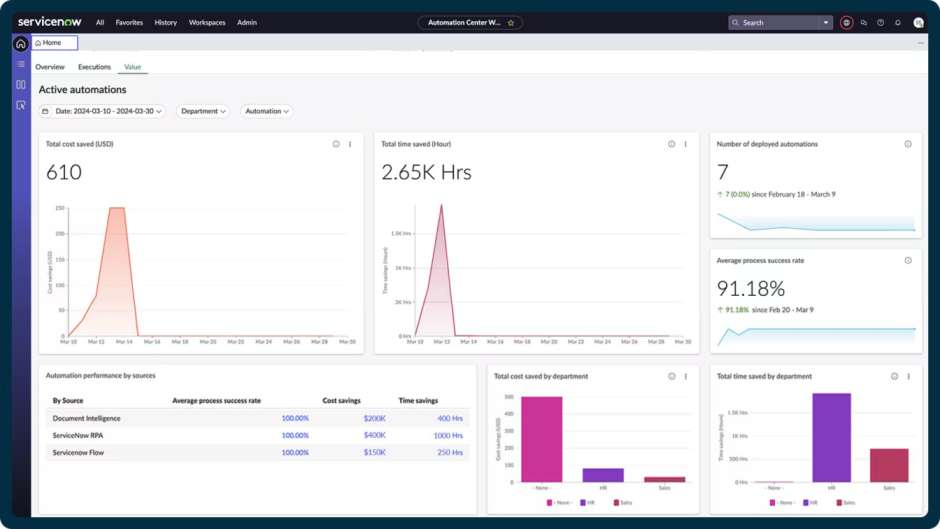
Turn field operations into a competitive advantage
Why Choose Aelum
Why Aelum for ServiceNow Automation?
AI-first approach to improve speed and service quality
Practitioner-led delivery focused on real business outcomes
70+ FSM and ServiceNow certifications across our team
FSM delivery aligned to KPIs, customer success, and business impact
70+ FSM and ServiceNow certifications across our team
AI-first approach to improve speed and service quality
Practitioner-led delivery focused on real business outcomes
FSM delivery aligned to KPIs, customer success, and business impact
Case Study
See how we help enterprises solve common challenges within key industries.

Unified IT and Customer Service Operations on ServiceNow for Virgin Mobile UAE
Reduced service friction improved operational efficiency, and enhanced customer satisfaction within six months of go-live.
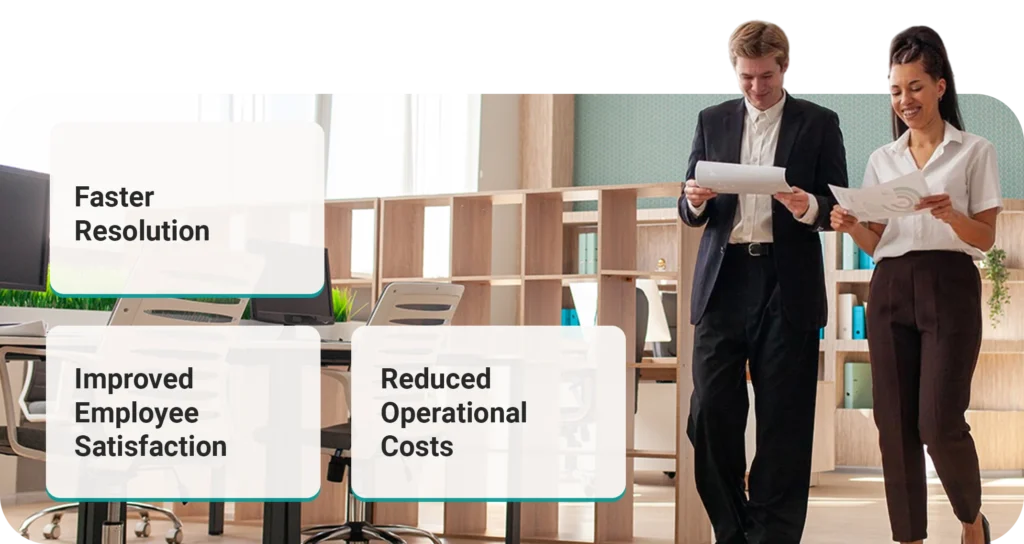
AI-Enabled Service Operations for ANSR
Leveraged automation and self-service to reduce manual effort and enhance service delivery across functions.
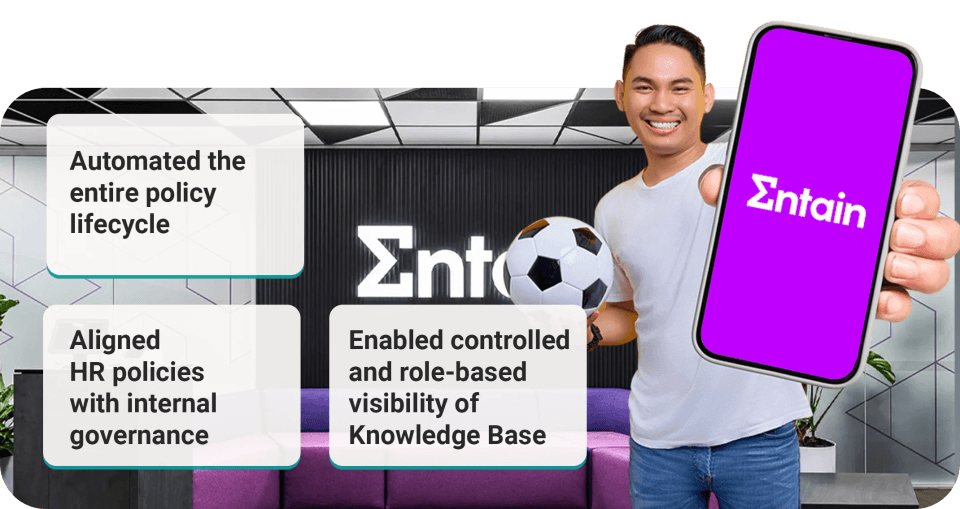
Enterprise HR Policy Governance Transformation for Entain
Aligned policy lifecycle with knowledge visibility to ensure consistency, control, and better access management

Streamlined Dealer Finance & Audit Operations for Maruti Suzuki
Enabled faster processing, real-time financial insights, and improved compliance across dealer networks.








Brands Who Trusted Us
We are proud to partner with some of the world’s most trusted brands, including Fortune 500 leaders who believe in meaningful transformation.














Frequently asked questions
What are the features of ServiceNow workflow automation?
Workflow automation in ServiceNow is a key feature that allows users to design, configure, and execute automated processes to streamline various business functions. Here are some of the key features and benefits of ServiceNow workflow automation:
- Drag-and-drop workflow designer: ServiceNow workflow designer allows users to design and customize workflows using a drag-and-drop interface easily. It makes it easy for non-technical users to create and modify workflows.
- Automated task management: ServiceNow workflow automation allows users to automate various tasks, such as ticket routing, approvals, and escalations. It reduces the need for manual intervention and ensures that tasks are completed efficiently.
- Integration with other systems: ServiceNow workflow automation can integrate with other systems, such as email, chat, and monitoring tools. It allows users to create end-to-end workflows that span multiple systems.
- Real-time tracking and reporting: ServiceNow workflow automation provides real-time tracking and reporting capabilities. It allows users to monitor the progress of workflows and identify bottlenecks and issues.
- Improved efficiency and productivity: ServiceNow workflow automation helps organizations to streamline their business processes and reduce manual effort. It improves efficiency and productivity while also reducing errors and delays.
How to create a business case for automation?
Creating a business case for automation is an important step in justifying the investment in automation initiatives. Here are some key steps to follow when creating a business case for automation:
- Step 1: Identify the business problem the automation initiative is meant to solve. It could be anything from reducing manual effort and errors to improving process efficiency and reducing costs.
- Step 2: Identify the benefits of implementing the automation initiative. It could include increased productivity, improved quality, reduced costs, or improved customer satisfaction.
- Step 3: Estimate the costs associated with implementing the automation initiative. It could include software licenses, hardware, development resources, and ongoing maintenance costs.
- Step 4: Calculate the ROI for the automation initiative by comparing the estimated benefits to the estimated costs. It will help to determine whether the investment is likely to be profitable.
- Step 5: Consider the risks and challenges associated with the automation initiative, such as implementation risks, adoption challenges, and potential disruption to existing processes.
- Step 6: Present the business case to key stakeholders, including executives, department heads, and other decision-makers. Use clear and concise language to explain the automation initiative’s benefits, costs, and ROI.
Overall, creating a business case for automation requires careful consideration of the specific business problem, benefits, costs, ROI, risks, and challenges. By following these steps, organizations can build a compelling case for investing in automation initiatives and secure the support and resources needed to succeed.
What are the benefits of ServiceNow automation?
The benefits of ServiceNow automation include increased efficiency, reduced errors, improved service delivery, enhanced compliance, increased agility, and reduced costs.
What are some examples of ServiceNow automation?
Some examples of ServiceNow automation include automated incident resolution, automated service requests, automated change management, and automated asset management.
What skills are needed for ServiceNow automation?
Skills needed for ServiceNow automation include:
- Proficiency in ServiceNow.
- Knowledge of scripting languages.
- Understanding of workflows and business processes.
- Familiarity with ITIL and other relevant frameworks.
How can ServiceNow automation be implemented?
ServiceNow automation can be implemented in a variety of ways, including in-house development, third-party software solutions, cloud-based platforms, outsourcing, and hybrid approaches. The implementation approach will depend on the specific needs and resources of the organization.
What is the role of AI and ML in ServiceNow automation?
AI and ML can play a significant role in ServiceNow automation by automating complex decision-making processes, identifying patterns and anomalies, and predicting future trends. It can help organizations achieve greater efficiency and accuracy in their automation initiatives.
What are ServiceNow Automation Discovery?
- Identify Business Processes: The first step in ServiceNow automation discovery is to identify the business processes that are most critical to the organization. It can include processes such as incident management, change management, and service request management.
- Analyze Process Flow: Once the critical business processes have been identified, the next step is to analyze the process flow to identify areas where automation can be applied. It can include tasks that are repetitive, time-consuming, or prone to errors.
- Identify Automation Opportunities: The next step is identifying specific automation opportunities after analyzing the process flow. It can include tasks such as automatic ticket creation, workflow automation, chatbot integration, self-service portals, and IT asset management.
- Evaluate Automation Feasibility: After identifying automation opportunities, the next step is to evaluate the feasibility of implementing it. It can include factors such as process complexity, data, systems availability, and the cost-benefit analysis of implementing automation.
- Develop Automation Roadmap: After evaluating the feasibility of implementing the automation, the next step is to develop an automation roadmap. It should include a prioritized list of automation opportunities, a timeline for implementation, and a plan for testing and deployment.
- Identify Stakeholders: When conducting ServiceNow automation discovery, it is important to identify the stakeholders impacted by the automation. By involving stakeholders in the automation discovery process, you can ensure that their needs and requirements are taken into account.
- Gather Data: In order to identify automation areas, it is important to gather data on existing processes and tasks. It can include data on task completion times, error rates, and other KPIs. By analyzing this data, you can identify areas where automation can be applied to improve efficiency.
- Prioritize Automation Opportunities: When developing an automation roadmap, it is important to prioritize the opportunities based on their impact and feasibility. It includes cost-saving potential, the effort level required to implement automation, & the strategic importance of the process or task.
- Consider Integration: ServiceNow is often just one part of an organization’s IT ecosystem. When conducting automation discovery, it is important to consider how ServiceNow can be integrated with other systems or tools, like integrations with IT monitoring tools, HR systems, and other business applications.
- Plan for Change Management: Implementing automation can significantly impact an organization’s processes and workflows. When developing an automation roadmap, it is important to plan for change management. It can include communication and training plans to help stakeholders.
Get in Touch
Let us help you take the first step towards transformation
No Perfect Brief Needed
Start with what you know. We’ll structure the rest.
We Ask Better Questions
The kind that get to the real problem,
fast.
You Leave with Direction
Clarity, next steps, and what actually moves the needle.